 EN
EN
 ES
ES


HOLISTIC TREATMENT FOR GLAUCOMA
AYURVEDA ACUPUNCTURE
Netra Restoration Therapy (NRT) Stops Glaucoma Progression and Improves Vision.
No Surgery - Scientifically Evaluated - Holistic Treatments
SCHEDULE A CONSULTATIONDownload our Keratoconus Brochure
HEAR FROM OUR PATIENTS
Glaucoma & High Myopia - Vision Improved
Glaucoma & Optic Atrophy - Vision Improved
Glaucoma & Myopia - Vision Improved
Glaucoma & High Myopia - Vision Improved
ONLY TREATMENT
GUARANTEED TO IMPROVE VISION
Vision Improvement Seen in 7 days or Take a Full Refund!
Satisfaction Guarantee Program
SCHEDULE A CONSULTATIONDID YOU KNOW?
Recent studies shows that vision loss in glaucoma can occur even when intraocular pressure (IOP) is well controlled.
About 40% of glaucoma patients never have elevated eye pressure, a condition called Normal Tension Glaucoma (NTG), yet they still experience vision loss.
NTG is especially common in Asian populations, where it can account for a majority of primary open-angle glaucoma (POAG) cases—often exceeding 70–90%.
If your treatment focuses only on lowering eye pressure, other causes of glaucoma may remain unaddressed, which can lead to continued vision loss.
KNOW THE FACTS
EYE PRESSURE IS NOT THE ONLY CAUSE OF GLAUCOMA
Increased Ocular Inflammation and Oxidative Stress, Reduction in Neuroprotection, Blood Supply and Neurotrophins all combined is shown to contribute to Glaucoma vision loss.
ARE YOU BEEN TREATED FOR ALL OF THESE TO PREVENT VISION LOSS?
Why Glaucoma Can Progress Even When Eye Pressure Is “Normal”?
While increased eye pressure (IOP) is an important risk factor for glaucoma, research shows that glaucoma is not solely a pressure disease. Many patients with Normal Tension Glaucoma (NTG) develop optic nerve damage even though their pressure is already within the normal range. Likewise, some patients with Primary Open-Angle Glaucoma (POAG) continue to experience vision loss despite maintaining “good” IOP numbers on treatment.
This happens because glaucoma is a multifactorial condition. In addition to eye pressure, other factors such as reduced blood flow to the optic nerve, vascular instability, nocturnal low blood pressure, optic nerve susceptibility, inflammation, and oxidative stress may contribute to ongoing damage. Every optic nerve has a different level of resilience, which means some nerves may be more vulnerable even at lower pressures.
NRT offers several compelling advantages for Glaucoma patients to complement conventional treatments.
WHAT IS NRT?
Netra Restoration Therapy (NRT) is a ground breaking treatment shown to improve ocular blood flow, reduce ocular inflammation and improve neurotrophins using acupuncture and herbal medicine.
NRT exhibits the following multi-component, multi-pathway and multi-targeted synergistic mechanism of action for treatment of Glaucoma.
- Provide Neuroprotection
- Supply Neurotrophins (protect the optic nerve from further damage)
- Reduce Ocular Inflammation
- Reduce Oxidative Stress (harmful cell damage in the eye)
- Regulate Cytokines
- Reduce Ferroptosis (cell death that damages vision cells)
- Improve Ocular Blood Flow
- Reduce Ocular Excitotoxcity
- Supply Antioxidants
NRT BENEFITS

Halts Progression of Glaucoma
By providing neuroprotection and eliminating ocular inflammation, the progression of Glaucoma can be halted

Reversal of Vision Loss*
Visual field is improved by restoring dormant and unhealthy retinal cells.

Improved Visual Acuity
Most Glaucoma patients have shown to have improvement in visual acuity.

Myopic Improvements
Glaucoma patients with myopia see an improvement in visual acuity and improved retinal health.

Dry Eye Improvement
Patients with dry eyes experience improvedcomfort due to a reductionin dry eye symptoms.

Avoid Need For Surgery
Prevent complications
arising from surgical treatments by improving your eye health.
*Reversal of vision loss depends on the Cup-To-Disc ratio and the availability of dormant and unhealthy retinal ganglion cells.
NRT exhibits multi-component, multi-pathway and multi-target synergistic mechanism of action for treatment of Glaucoma.
“ I had good improvement in visual field, visual acuity, and overall eye health.
Vision is now clearer, able to see lines further and colors are more brighter and vivid. ”
My visual field improved from -6.89 db to -3.86 db on right eye and from -9.22 db to -2.05 db on left eye.
My prescription reduced from -4.25 to -3.00 on right eye and -6.50 to -4.00 on left eye and now I have 20/20 vision even with reduced prescription.
MARTIN
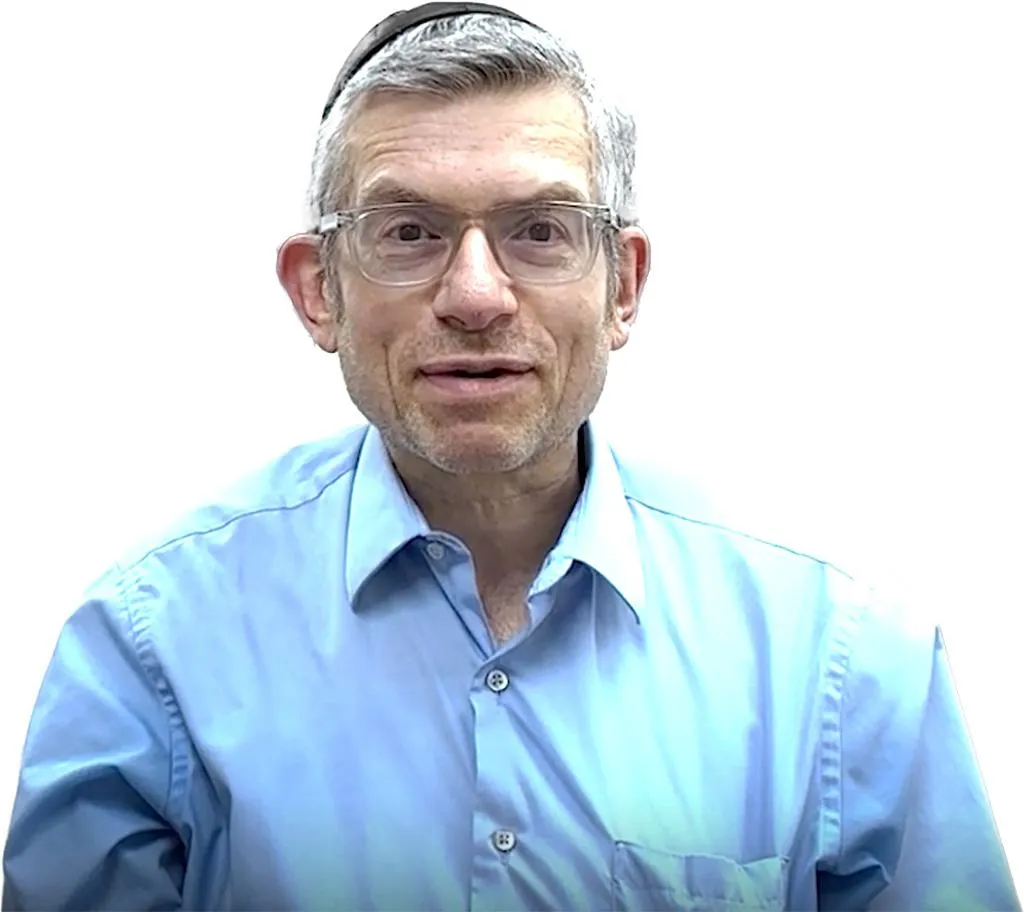
“ After treatment my visual field and visual acuity have improved. IOP is more stable now. ”
I am now able to read 20/15 line with lower prescription glasses. Prescription lowered from -6.0 to -4.75 on left eye and -5.0 to -3.75 right eye with 20/15 visual acuity.
My near vision condition was eliminated and don't biofocal glasses anymore.
SARANG

KNOW THE FACTS
Glaucoma is a neurodegenerative disease, not just a elevated pressure disease.
Glaucoma is increasingly understood as a neurodegenerative disease, not merely a condition caused by elevated eye pressure.
Mechanisms such as impaired ocular blood flow, mitochondrial dysfunction, oxidative stress, chronic inflammation, and reduced neurotrophic support, all contribute to neuronal injury.
SCHEDULE A CONSULTATION20/15
Our standards of normal version is beyond 20/20
Most patients achieve 20/15 vision after successfully completing their first round of CCR treatment. About 20% can even read a few letters on the 20/10 line.
CCR revitalizes retinal nerve cells. improving their function and enhancing visual clarity and acuity.

DOWNLOAD CCR BROCHURE
.webp)
FAQ's
Why Netra Restoration Therapy (NRT) is not covered by my insurance?

Netra Restoration Therapy (NRT) is a holistic therapy which uses Traditional Chinese Medicine (TCM) consisting of acupuncture and herbal supplements for treatment of Glaucoma.
Holistic therapies such as acupuncture and herbal medicines to treat chronic ocular conditions are not covered by insurance.
Why is my eye doctor only treating my Glaucoma by reducing the IOP when other factors contribute to vision loss?
Pharmaceutical research to treat reduced ocular blood flow, antioxidants, neurotrophic factor therapies, and ferroptosis regulation is ongoing and still remains mostly in preclinical or early clinical trial stage.
Can Glaucoma be cured?
If the vision loss is due to loss of retinal ganglion cells, it cannot be reversed. NRT however helps restore back dormant and unhealthy retinal ganglion cells to improve the visual field.
NRT prevents vision loss and damage to the optic nerve and retinal ganglion cells by improving neuroprotection, ocular blood flow, reducing ocular inflammation, oxidative stress, and ferroptosis and increasing neurotrophins and antioxdiants.
Can I discontinue my conventional Glaucoma treatments with NRT?
No. NRT is not a replacement for conventional glaucoma treatment. We strongly recommend that patients continue all medications and follow-up care prescribed by their ophthalmologist.
NRT is as a complementary treatment to support overall eye health while you remain under regular ophthalmic supervision.
Are there new treatments for Glaucoma to treat root cause?
Netra Restoration Therapy (NRT) prevents vision loss and damage to the optic nerve and retinal cells by improving ocular blood flow, reducing ocular inflammation, oxidative stress, and ferroptosis and increasing neurotrophins and antioxdiants.
Is Netra Restoration Therapy (NRT) treatment FDA approved?
Netra Restoration Therapy is a holistic therapy which uses Traditional Chinese Medicine (TCM) consisting of acupuncture and herbal supplements for treatment of Glaucoma.
Acupuncture and herbal treatments offered by Traditional Chinese Medicine (TCM) are not subject to FDA approval.
How fast does Glaucoma progress?
Glaucoma progression is unpredictable but often has rapid progression in some patients. Early diagnosis and treatments such as IOP reduction and Netra Restoration Therapy are key to avoiding progression and avoid severe vision loss.
Is Glaucoma hereditary?
Yes, glaucoma has a strong hereditary component, but the exact inheritance depends on the type of glaucoma. If you have a parent, sibling, or child with glaucoma, you should have regular comprehensive eye exams, starting earlier than usual (often from age 30–35 instead of waiting until 40+).
However, heredity is not the only factor — lifestyle, vascular health, and intraocular pressure still matter.
REFERENCES
Reduced Neuroprotection and Neurotrophins
- Obstructed Axonal Transport of BDNF and Its Receptor TrkB in Experimental Glaucoma – Pease et al., 2000
Summary: In the study, elevated intraocular pressure in glaucoma models blocked retrograde transport of neurotrophins like BDNF to retinal ganglion cells, contributing to their degeneration. This supports neurotrophic-based therapies, as supplying or restoring neurotrophic support may help protect retinal neurons and complement standard IOP-lowering treatments. - Glaucoma Pathogenesis and Neurotrophins: Focus on the Molecular and Genetic Basis for Therapeutic Prospects – Chitranshi et al., 2018
Summary: This review describes glaucoma as a neurodegenerative disease where vision loss can progress even with “normal” IOP. It highlights that IOP-related stress can impair axonal transport and deprive retinal ganglion cells of neurotrophins (e.g., NGF/BDNF), promoting apoptosis. NRT conceptually fits by restoring neurotrophic support as complementary neuroprotection alongside. - Tackling Glaucoma from within the Brain: An Unfortunate Interplay of BDNF and TrkB – Dekeyster et al., 2015
Summary: In the article, glaucoma-related axonal transport disruption reduces delivery of neurotrophins like BDNF to retinal ganglion cells, triggering degeneration. Neurotrophic-based approaches (e.g., supplementing or enhancing BDNF signaling) aim to restore this support and protect neurons, offering a neuroprotective strategy that complements traditional IOP-lowering treatments to help preserve vision.
Reduced Blood Flow / Vascular Dysregulation / Vascular Instability
- Role of ocular blood flow in normal tension glaucoma – Wu et al., 2022
Summary: In this study on ocular blood flow in normal-tension glaucoma, impaired blood flow and vascular dysregulation contribute to oxidative stress and retinal ganglion cell damage independent of IOP. Improving perfusion may help preserve neurotrophin delivery and neuronal health, linking vascular support to neuroprotective strategies like NRT in glaucoma management. - Treatment of Glaucoma Patients with Flammer Syndrome – Konieczka et al., 2021
Summary: This study discusses how vascular dysregulation and impaired ocular blood flow contribute to retinal ganglion cell damage in glaucoma, especially in normal-tension glaucoma. By highlighting factors that reduce delivery of essential survival signals, it supports the rationale for neurotrophic-based therapies like NRT to enhance neuronal resilience and protect ganglion cells in glaucoma beyond lowering IOP. - Vascular dysregulation in glaucoma – Zhou, Sabel et al., 2023
Summary: This study found that POAG eyes had narrower retinal arteries and veins, yet flicker-induced neurovascular coupling (dilation response) remained normal. They interpret this as chronic baseline vasoconstriction that restricts metabolic supply, contributing to “silent” or dying retinal neurons despite controlled IOP. NRT aligns as an adjunct by supporting neuronal survival and resilience when blood-flow–related stress persists.
Nocturnal Hypotension (Night-Time Low Blood Pressure)
- Nocturnal systemic hypotension increases the risk of glaucoma progression – Charlson et al., 2014
Summary: This study followed normal-tension glaucoma patients and found that nocturnal systemic hypotension was linked to greater visual field progression over 12 months, suggesting optic nerve damage can worsen from insufficient nighttime perfusion even when IOP is “good.” This supports NRT as an adjunct by strengthening neuronal resilience/neurotrophic support amid vascular stress. - Long-Term Clinical Course of Normal-Tension Glaucoma: 20 Years of Experience – Jin et al., 2017
Summary: This 20-year NTG cohort study found that visual fields still worsened in some patients despite medical IOP-lowering (average progression about −0.28 dB/year). IOP reduction rate and ocular perfusion pressure were key factors linked to progression, highlighting non-IOP drivers. NRT fits as an adjunct by supporting retinal ganglion cell survival under perfusion-related stress. - Twenty-Four Hour Blood Pressure Pattern in Patients With Normal Tension Glaucoma in the Habitual Position – Joe et al., 2009
Summary: This study monitored 24-hour blood pressure in untreated normal-tension glaucoma and found that greater nocturnal BP dipping (lower nighttime DBP/MAP) was significantly associated with worse structural optic nerve/RNFL damage (lower TSNIT, higher NFI). This supports NRT as an adjunct by boosting neuronal resilience/neurotrophic support when optic nerve perfusion drops at night.
Ocular Inflammation / Immune Activation
- Neuroinflammation in Primary Open-Angle Glaucoma – Vernazza et al., 2020
Summary: This study review explains that primary open-angle glaucoma involves neuroinflammation: activated microglia/astrocytes, NF-κB signaling, and pro-inflammatory cytokines can amplify retinal ganglion cell stress and death—often beyond what IOP control alone prevents. NRT is relevant as a complementary strategy aimed at supporting ganglion-cell survival/neurotrophic signaling despite ongoing inflammatory injury. - Molecular regulation of neuroinflammation in glaucoma – Tezel, 2022
Summary: This study reviews how neuroinflammation drives glaucomatous retinal ganglion cell loss: stressed neurons activate microglia/astrocytes, inflammatory mediators amplify damage, and mitochondrial dysfunction and inflammation reinforce each other. This supports NRT as an adjunct by providing neurotrophic/neuroprotective support to help neurons survive despite ongoing inflammatory stress beyond IOP control. - The role of microglia in glaucoma - trigger and potential target – Chen et al., 2025
Summary: This review show microglial activation (triggered by biomechanical stress, metabolic disturbance, and inflammatory signals) can shift the retina/optic nerve toward chronic neuroinflammation, accelerating retinal ganglion cell loss independent of IOP. This supports NRT as complementary care by emphasizing neurotrophic/neuroprotective support to strengthen RGC survival despite ongoing immune-glial stress.
Oxidative Stress
- Current trends in targeting the oxidative stress in glaucoma – Iorga et al., 2024
Summary: This review explains that oxidative stress (ROS) contributes to glaucoma by damaging the trabecular meshwork (raising IOP) and stressing the optic nerve/retinal ganglion cells, with inflammatory pathways also involved. It notes ongoing clinical interest in antioxidant strategies. NRT aligns by providing neurotrophic/neuroprotective support to help RGCs resist oxidative injury alongside IOP care. - Role of reactive oxygen species and oxidative stress in the pathomechanism of glaucoma – Chan et al., 2025
Summary: This review explains that reactive oxygen species (ROS) and oxidative stress contribute to glaucoma through mechanical, vascular (ischemia), and immunologic (glial/inflammasome) pathways, promoting retinal ganglion cell injury and death. It supports NRT as complementary care by emphasizing neuroprotective/neurotrophic support to help neurons withstand oxidative/inflammatory stress beyond IOP lowering. - Identification and validation of oxidative stress signature genes in the trabecular meshwork of glaucoma – Xu et al., 2025
Summary: This paper used bioinformatics on trabecular meshwork datasets to identify oxidative-stress genes linked to glaucoma and enriched inflammatory pathways (IL-17, TNF, NF-κB). It highlights oxidative/inflammatory TM dysfunction as a driver of disease beyond pressure alone. NRT is relevant as adjunct neuroprotection/neurotrophic support against oxidative stress–related neuronal vulnerability.
Ferroptosis
- Inhibition of ferroptosis promotes retina ganglion cell survival in experimental optic neuropathies – Guo et al., 2022
Summary: This study show that ferroptosis—iron-driven lipid peroxidation with mitochondrial changes—is a major cause of retinal ganglion cell (RGC) death in experimental glaucoma and optic nerve crush. The ferroptosis inhibitor ferrostatin-1 improved RGC survival and retinal function, supporting NRT’s role as adjunct neuroprotection against oxidative/iron-mediated injury. - Ferroptosis Contributes to Retinal Ganglion Cell Loss in GLAST Knockout Mouse Model of Normal Tension Glaucoma – Ye et al., 2025
Summary: This study shows that ferroptosis (iron-driven lipid peroxidation) contributes to retinal ganglion cell (RGC) loss and retinal damage in the GLAST−/− normal-tension glaucoma model. Treating with the ferroptosis inhibitor ferrostatin-1 reduced oxidative injury and protected visual function—supporting NRT as adjunct neuroprotection beyond IOP controlorts NRT as complementary care by emphasizing neuroprotective/neurotrophic support to help neurons withstand oxidative/inflammatory stress beyond IOP lowering. - Ferroptosis and retinal ganglion cell death in glaucoma: Mechanisms and therapeutic approaches – Qin et al., 2025
Summary: This review shows ferroptosis as an important mechanism of retinal ganglion cell loss in glaucoma, linking it to GSH depletion, mitochondrial dysfunction, iron overload, and lipid peroxidation/oxidative stress. They highlight therapeutic strategies (e.g., antioxidants, iron chelation, ferroptosis inhibitors). This supports NRT as adjunct neuroprotection beyond IOP lowering.